I map how work actually moves through a business, redesign it, and then build the systems that run it — with security, audit trails and AI governance in place from the first sprint, not bolted on after the demo.
Most automation projects fail in the gap between the people who decide, the people who specify, and the people who build. I cover all three, so nothing is lost in the handover.
Where automation is worth the money, where it isn't, and what has to be true before you start.
The layer most AI projects skip. As-is reality on paper before anyone writes a prompt.
Working systems in your stack, documented well enough that your team can run them without me.
Tool-agnostic by default. The stack is chosen after the problem is understood, never before.
The order matters here — each phase produces the input the next one needs. You can stop after any phase and still own something useful.
Establish what's worth automating and whether the data can support it. Executive alignment, technology audit, as-is process mapping.
Design the workflows and the safety rails together. RBAC, row-level security, audit logging, bias and PII handling — specified, not improvised.
AI-assisted development against the spec, then tested properly — functionality, performance, and the edge cases that break demos in month three.
Phased rollout under monitoring, UAT sign-off, and enough team enablement that the system outlives the engagement.
Open any engagement for the problem, the approach and what it produced. Client names appear only where I have permission to use them.
Over 200 SME customers had no way to see their own workflow status. Updates went out as manual CSV exports, which meant delays and a support queue full of “is it running?” tickets. They needed live status, execution logs and cost tracking in one place.
Row-level security across every tenant added query complexity and cost roughly a week of the eight. It was the right call: the alternative was application-layer filtering, which fails silently the first time someone adds an endpoint and forgets the tenant check.
SME clients across recruitment, property and professional services were each losing hours a day to the same shape of problem: information arriving in one system that a human had to retype into another, with judgement applied somewhere in the middle.
Over 100 workflows in production across the client base, each one documented with a runbook so the client's own team can operate and amend it. Clepto.io runs to an ISO 42001-aligned management system with EU AI Act risk classification applied per workflow.
Every screening and scoring workflow keeps a human decision gate, even where the model is accurate enough to run unattended. It costs throughput. It also means no client has had to defend an automated decision they couldn't explain.
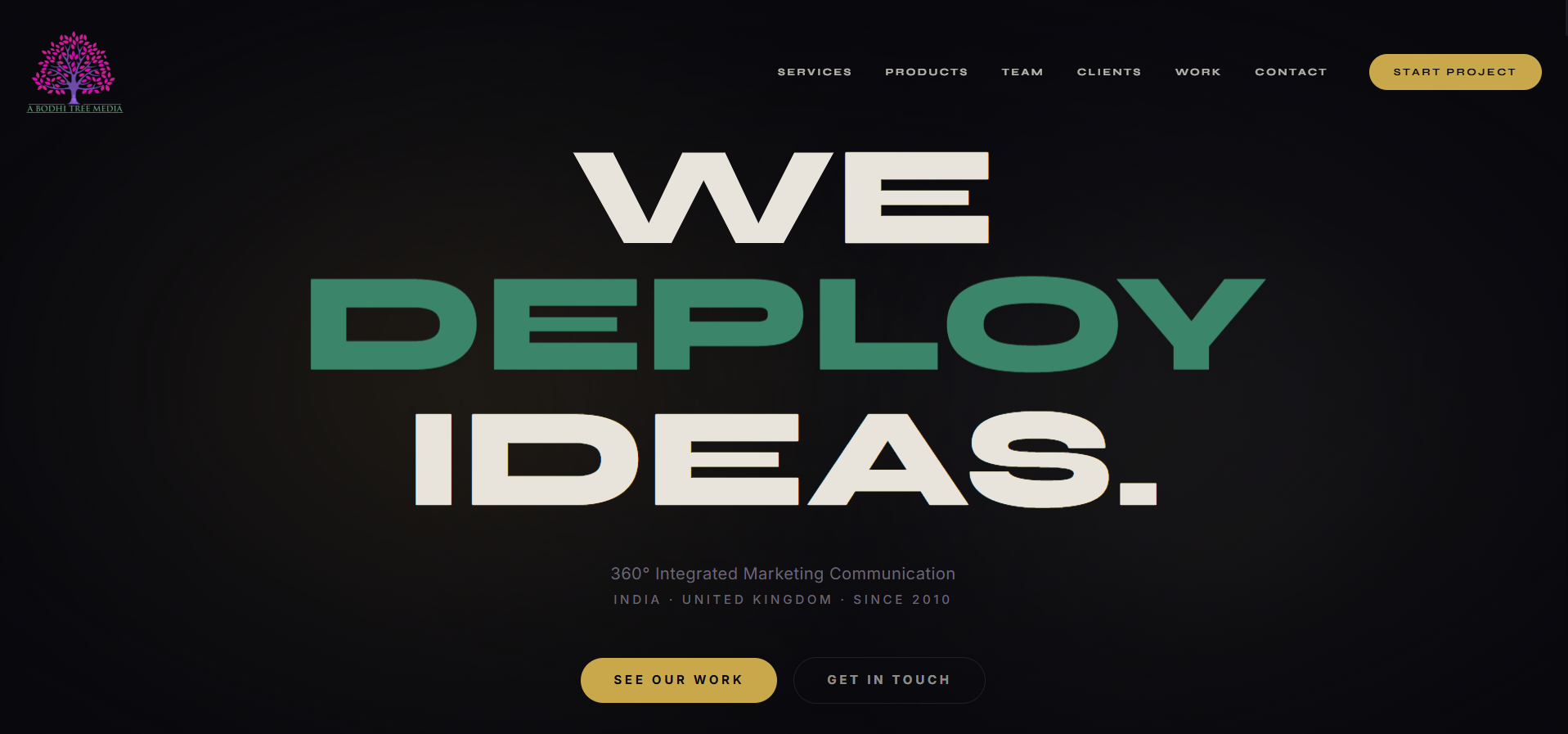
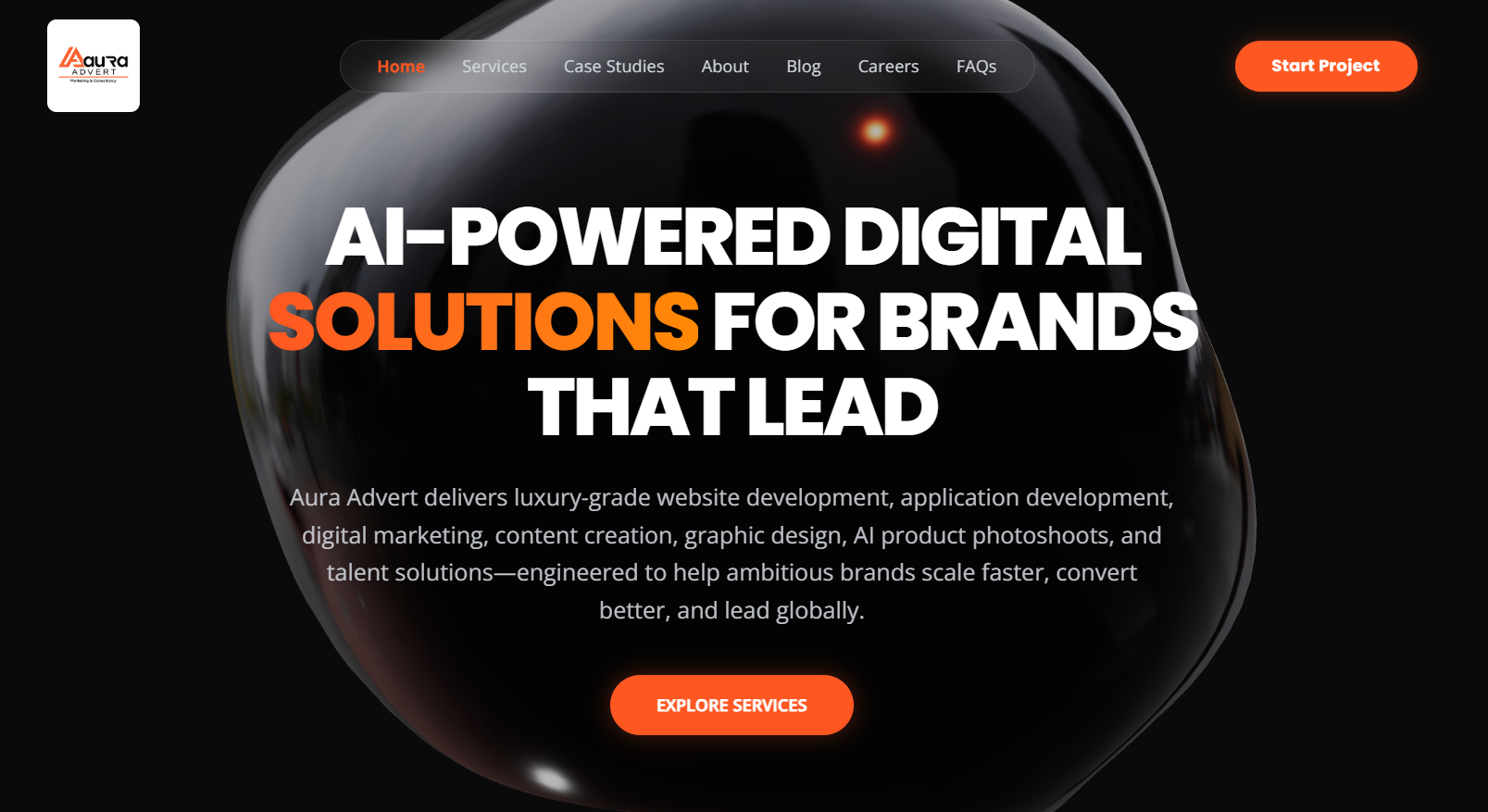
An integrated marketing communications agency wanted to move from selling services to owning products — but had no internal engineering function to take a concept from idea to running platform.
Two products taken from blank page to launched platform, plus a rebuilt agency web presence. I hold all three roles on this account — consultant on what to build, analyst on the specification, engineer on the delivery.
Writing a full PRD before touching code looks slow to an agency used to shipping campaigns in days. It is slow. It is also why the schema didn't need rewriting after launch.
Deliveries, visitors and service calls at a residence or unit all depend on the occupant being reachable — and on a stranger being able to reach them without knowing their number.
A venture built and reported on inside Clepto.io — the same discipline applied to my own product that I apply to client work: risk classification, privacy-by-design on contact data, and a business case that survives being questioned.
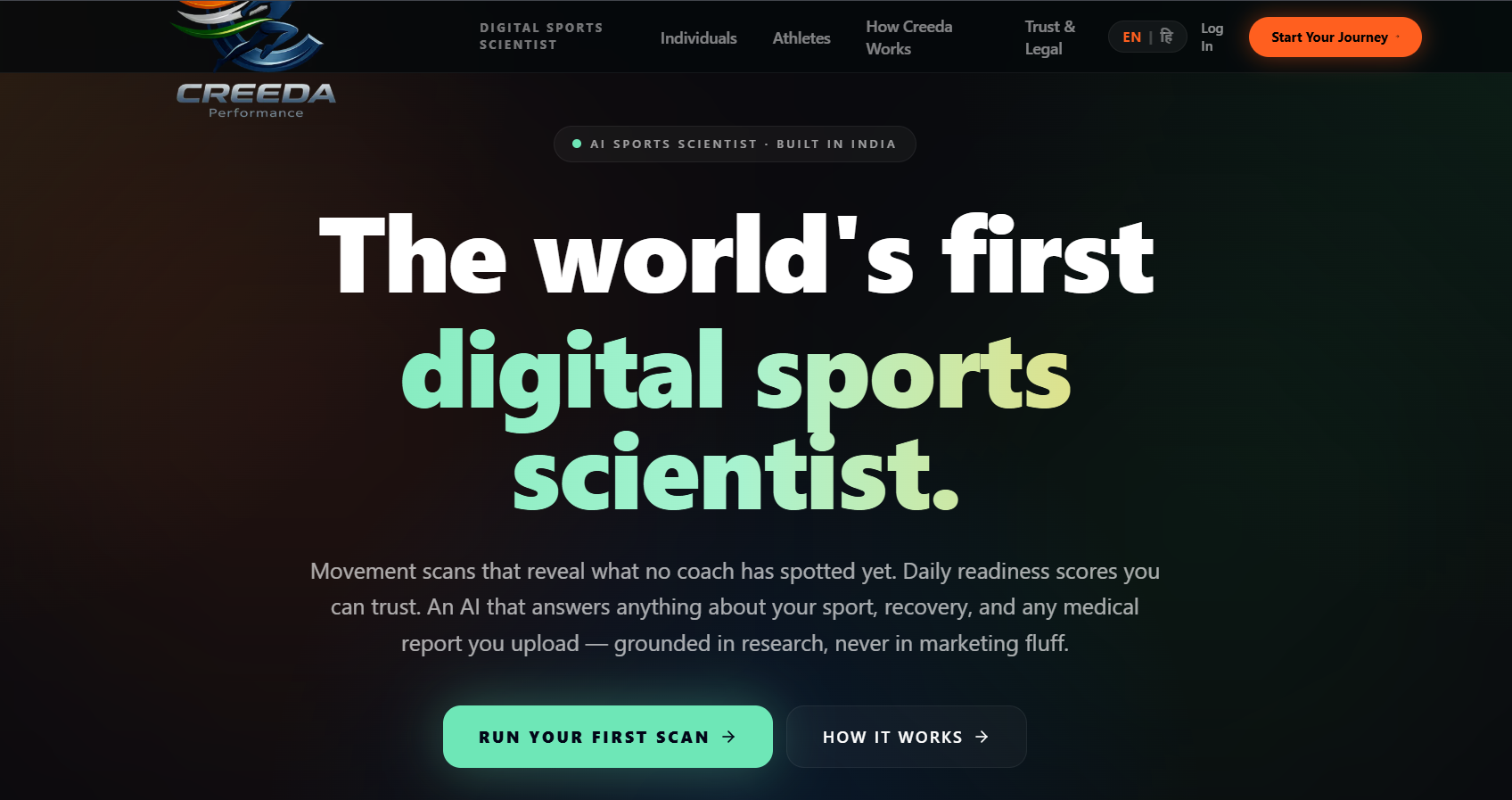
CREEDA, a sports science platform deployed on Supabase; The Right Energy, a D2C commerce build; The Vital Co., AI-assisted video production; and white-label CRM/ERP platforms with RBAC, audit logs and real-time subscriptions.
Five years of requirements work before any of this was called AI. It's why the specifications hold up.
Building AI-powered automation ecosystems and custom platforms for SME and enterprise clients — RAG solutions, workflow automation and go-to-market systems.
Holding all three roles across the agency's product and platform work — advising on what to build, specifying it, and delivering it.
Digital transformation roadmaps aligning Salesforce and cloud solutions to business goals, with process optimisation and delivery for enterprise clients.
Requirements analysis and data migration for Fortune 500 clients — where the CRM and business analysis foundation was built.
Bring me the process that everyone in your team complains about. We'll work out whether it should be automated, and if it should, I'll build it.